
Shockwave Therapy for Nerve Pain: Carpal Tunnel, Neuropathy & Beyond

When most people think about shockwave therapy, they think tendons: Achilles problems, rotator cuff injuries, plantar fasciitis. And that's a reasonable starting point, because the evidence for shockwave in tendinopathy is some of the strongest in musculoskeletal medicine.
But there's an entire category of shockwave applications that patients almost never hear about, one where the research is genuinely remarkable and the clinical outcomes routinely surprise people who've been struggling for years without real answers.
Shockwave therapy for nerve pain.
Whether you're dealing with carpal tunnel syndrome, peripheral neuropathy, radiculopathy, or a nerve condition that hasn't responded to conservative care — the biology of what shockwave does to neural tissue opens up possibilities that most treatment approaches simply don't address.
Why Nerve Pain Is Different
Nerve pain, clinically called neuropathic pain, behaves differently than musculoskeletal pain, and that's exactly why it's so resistant to standard treatment approaches.
When a tendon hurts, the problem is usually localized tissue damage. When a nerve hurts, you're dealing with a fundamentally different biological system. Nerves are long, complex structures with their own blood supply (called the vasa nervorum), their own myelin sheath (the insulating layer that allows electrical signals to travel), and their own sensitivity to mechanical compression, metabolic disruption, and inflammatory signaling.

The most common causes of nerve pain falls into three categories:
Compression neuropathy: When a nerve is physically compressed by surrounding tissue. Carpal tunnel syndrome (median nerve compression at the wrist), cubital tunnel syndrome (ulnar nerve at the elbow), and tarsal tunnel syndrome (tibial nerve at
the ankle) are the most common examples. The compression reduces blood supply to the nerve, triggers inflammation in the nerve sheath, and over time can lead to demyelination, the breakdown of the protective myelin coating that allows the nerve to function normally.
Peripheral neuropathy: When the peripheral nerves themselves are damaged by a systemic condition. Diabetic neuropathy is by far the most common form, affecting up to 50% of patients with diabetes over their lifetime. The mechanism is complex, but involves both microvascular damage to the vasa nervorum (cutting off blood supply to the nerve) and direct metabolic injury to the nerve tissue itself. Chemotherapy induced neuropathy operates through a similar pathway, the same drugs that target rapidly dividing cancer cells also damage the axons and myelin sheaths of peripheral nerves.
Radiculopathy: When a spinal nerve root is compressed or irritated, typically by a herniated disc, bone spur, or stenosis. The result is pain, numbness, or weakness that follows the nerve's pathway, from the neck down the arm in cervical radiculopathy, or from the lower back down the leg in lumbar radiculopathy (sciatica).
What all three have in common: they involve compromised nerve biology. And that's exactly where shockwave therapy intervenes.
What Shockwave Does to Nerve Tissue
The mechanisms by which shockwave therapy addresses nerve pain are distinct from its tendon and bone healing pathways, though several mechanisms overlap. Research in this area has accelerated significantly in the past decade, and the findings are genuinely impressive.
Sodium Channel Modulation: Quieting the Pain Signal

One of the most direct mechanisms of shockwave on nerve pain involves voltage-gated sodium channels. These channels are responsible for generating and transmitting the electrical action potentials that carry pain signals from the periphery to the brain. In neuropathic pain states, these channels are often upregulated — firing more frequently and at lower thresholds than normal, which is why neuropathic pain is characteristically described as burning, shooting, or electric.
Shockwave therapy has been shown to directly modulate the activity of these sodium channels in sensory C-fibers, the unmyelinated nerve fibers primarily responsible for chronic pain transmission. By dampening sodium channel excitability, shockwave reduces the frequency and intensity of pain signals at their source, without the systemic side effects of medications like gabapentin or pregabalin that work through a similar but much broader mechanism.
CGRP and Substance P Reduction: Shutting Off the Neuroinflammatory Cascade
CGRP (Calcitonin Gene Related Peptide) and Substance P are neuropeptides, chemical messengers released by sensory nerve endings that amplify pain and drive local neuroinflammation. In chronic nerve pain states, these neuropeptides are chronically elevated in the affected tissue, creating a self reinforcing cycle of sensitization and inflammation that maintains the pain state long after the original injury should have resolved.
Shockwave therapy has been shown to significantly reduce the concentration of both CGRP and Substance P in the treatment area. This is one of the reasons shockwave can produce durable pain relief in neuropathic conditions. It's not just quieting the signal temporarily, it's disrupting the neurochemical environment that was maintaining the pain in the first place.
Schwann Cell Activation and Myelin Repair
Schwann cells are the specialized glial cells responsible for producing and maintaining the myelin sheath around peripheral nerves. When a nerve is compressed, metabolically damaged, or injured, myelin breakdown (demyelination) is one of the first structural consequences and it's a primary driver of the sensory symptoms patients experience: numbness, tingling, weakness, and altered sensation.
Research has demonstrated that shockwave therapy stimulates Schwann cell proliferation and activity, promoting remyelination of damaged nerve fibers. This is a fundamental repair mechanism not symptomatic relief, but actual restoration of the nerve's structural integrity. For conditions like carpal tunnel syndrome and peripheral neuropathy where demyelination has occurred, this mechanism represents a genuinely disease modifying effect.
VEGF and Vascular Restoration to the Nerve
The vasa nervorum, the small blood vessels that supply oxygen and nutrients to peripheral nerves, are among the first casualties of both compression neuropathy and diabetic neuropathy. Without adequate blood supply, nerve tissue cannot maintain its metabolic function, and progressive damage continues even in the absence of additional mechanical insult.
Shockwave drives VEGF (Vascular Endothelial Growth Factor) production, which stimulates the formation of new blood vessels into the affected tissue. In the context of nerve pathology, this means restoring the microvascular supply to nerve tissue that has been functionally ischemic, giving the nerve the metabolic resources it needs to repair itself. This mechanism is particularly significant in diabetic neuropathy, where microvascular compromise is the primary driver of nerve injury.
Nitric Oxide Production and Anti-Inflammatory Effects
Shockwave stimulates the production of nitric oxide (NO) in treated tissue, a vasodilatory molecule that improves local blood flow and has direct anti inflammatory properties. In compressed nerves, this translates to reduced edema in the nerve sheath, improved circulation, and a shift in the local inflammatory environment that allows the nerve's natural repair processes to proceed.
Clinical Applications: What the Research Shows
Carpal Tunnel Syndrome
Carpal tunnel syndrome (CTS) is the most common peripheral nerve entrapment in the world, affecting an estimated 3–6% of the general population. It involves compression of the median nerve as it passes through the carpal tunnel at the wrist, producing the characteristic symptoms of hand numbness, tingling, nighttime pain, and progressive weakness in grip and pinch.
The standard treatment pathway includes splinting, corticosteroid injection, and eventual surgical release, has real limitations. Splinting provides temporary symptom management without addressing the underlying nerve dysfunction. Corticosteroid injections reduce inflammation acutely but have no effect on the myelin damage that has already occurred and frequently require repeat injections. Surgical carpal tunnel release is effective but involves procedural risk, recovery time, and permanent changes to the transverse carpal ligament.
Multiple clinical studies have demonstrated that focused shockwave therapy produces significant improvements in nerve conduction velocity, grip strength, and patient reported outcomes in carpal tunnel syndrome.
A landmark study by Santamato et al. compared shockwave therapy to corticosteroid injection in CTS patients and found that shockwave produced superior outcomes at 6 month follow-up, with improvements in both subjective symptoms and objective nerve conduction measurements. The corticosteroid group showed early improvement that diminished over time; the shockwave group showed progressive improvement that continued beyond the treatment period.
This is a key distinction: shockwave doesn't just manage CTS symptoms — it initiates a biological repair process that continues after treatment ends.
Peripheral Neuropathy
For patients with diabetic or chemotherapy induced peripheral neuropathy, the treatment landscape is notoriously limited. Current pharmacological options like gabapentin, pregabalin, duloxetine, tricyclic antidepressants address the symptom of pain but have no effect on the underlying nerve pathology, and are associated with significant side effect profiles.
Emerging research on shockwave therapy in peripheral neuropathy is producing results that are difficult to explain with conventional treatment logic. Studies in diabetic neuropathy patients have shown reductions in pain scores, improvements in vibration and pressure sensation thresholds, and most significantly, improvements in nerve conduction velocity, suggesting actual neurological recovery rather than symptom suppression. The mechanism most likely involves the combination of VEGF driven vascular restoration to the vasa nervorum, Schwann cell activation for remyelination, and direct modulation of sodium channel hyperexcitability.
For chemotherapy induced peripheral neuropathy, a condition for which there is currently no FDA approved treatment, shockwave represents a genuinely novel therapeutic option.
Several case series and early clinical trials have reported meaningful symptom reduction and functional improvement in patients who had exhausted standard options.
Radiculopathy: Cervical and Lumbar
In radiculopathy, the primary driver of symptoms is often not just the mechanical compression of the nerve root itself, but the inflammatory cascade that develops around the compressed tissue. Shockwave therapy applied to the paravertebral muscles, facet joints, and the nerve root exit zone can reduce this inflammatory burden, improve local tissue circulation, and address the secondary myofascial contributions to radicular pain, the chronic muscle guarding and trigger point formation that develop in response to nerve root irritation.
For patients with chronic radiculopathy who have not responded to physical therapy, epidural steroid injections, or manual therapy, the addition of shockwave to a comprehensive rehabilitation protocol frequently produces meaningful improvement in both pain and neurological function.
Other Nerve Conditions
The research on shockwave for nerve dysfunction extends beyond the conditions above. Studies on Bell's palsy (facial nerve injury) have demonstrated accelerated nerve recovery and improved functional outcomes when shockwave is added to standard treatment. Case reports and early clinical data in complex regional pain syndrome (CRPS) and post-surgical neuropathy are also promising, consistent with the mechanism level evidence for shockwave's effects on sensitized and dysfunctional neural tissue.
Who Is a Good Candidate?
Shockwave therapy for nerve pain is most appropriate for patients who:
Have been diagnosed with carpal tunnel syndrome and want to avoid surgery, or have had surgical release with incomplete resolution of symptoms
Are experiencing diabetic peripheral neuropathy with pain, numbness, or sensory loss in the feet and lower legs
Have chemotherapy induced neuropathy that has not responded to standard management
Have chronic cervical or lumbar radiculopathy with persistent pain, tingling, or weakness
Have been told their nerve pain is "permanent" or "something they'll have to manage" and want to know if there is a biologically active alternative
You do not need a physician referral to begin a consultation at AVION. If you have prior nerve conduction studies, MRI, or imaging, bring it to your first visit. We will review it with you and give you an honest assessment of whether shockwave is appropriate for your specific presentation.
What to Expect at AVION
At AVION, every nerve pain case begins with a comprehensive evaluation that includes diagnostic musculoskeletal ultrasound and neurological screening. For nerve entrapment conditions like carpal tunnel syndrome, ultrasound allows us to visualize the compressed nerve in real time, assessing the cross sectional area of the nerve at the site of entrapment, the degree of flattening, and the presence of surrounding tissue changes that are contributing to compression. This level of detail directly informs our treatment approach.
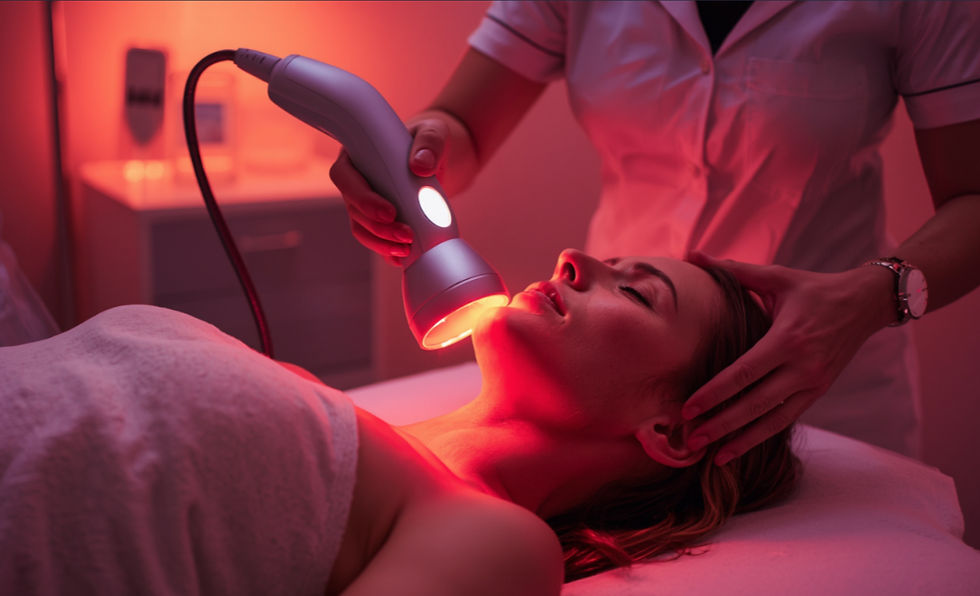
Shockwave protocols for nerve conditions differ somewhat from tendon protocols. Energy parameters are typically lower, we are working with neural tissue, not collagen and the treatment is often combined with photobiomodulation (PBM) to optimize the cellular environment for nerve repair. Sessions are spaced one to two weeks apart to allow the biological cascade from each treatment to complete before the next session begins.
Patients with nerve pain often notice a different treatment response pattern than tendon patients: less immediate soreness, a more gradual improvement in sensation and function over the weeks following treatment, and in many cases a progressive reduction in the burning and electric quality of neuropathic pain that begins during the treatment course and continues for weeks afterward.
Frequently Asked Questions
Is shockwave painful when applied near nerves? Treatment near peripheral nerves is typically less intense than shockwave over tendons or bone. Most patients tolerate it well. Energy levels are titrated carefully based on the specific nerve structure being treated and the patient's feedback throughout the session.
How many sessions does nerve pain treatment take? Most protocols for nerve conditions involve four to six sessions, spaced one to two weeks apart. Peripheral neuropathy cases may require additional sessions depending on the duration and severity of nerve involvement. Improvement in nerve conduction and sensation tends to continue for several weeks beyond the final session as remyelination and vascular restoration progress.
Will shockwave help if I've already had carpal tunnel surgery? In some cases, yes. Post-surgical residual symptoms, persistent numbness, tingling, or incomplete strength recovery, can reflect ongoing demyelination or scar tissue formation at the surgical site. Shockwave can address the underlying nerve biology in post surgical cases where symptoms have plateaued.
Can shockwave reverse diabetic neuropathy? The research suggests it can produce meaningful improvements in both symptoms and objective neurological measures in some patients but the degree of recovery depends on the severity and duration of neuropathy. Early to moderate neuropathy with preserved nerve architecture responds better than end stage disease with significant structural nerve loss. A consultation at AVION will give you a realistic picture of what to expect based on your specific situation.
Is this covered by insurance? Shockwave therapy is generally not covered by insurance for nerve conditions at this time, as the application is considered emerging by most payers. We will discuss our pricing and payment options at your first visit.
The Bottom Line
Most patients with nerve pain have been told they have limited options. Medication to manage the symptoms. Possibly surgery for compression neuropathies. Time. Acceptance.
What the research on shockwave therapy and nerve tissue suggests is that those aren't the only options that the biology of nerve repair is more responsive than the conventional treatment model assumes, and that targeting that biology directly can produce outcomes that genuinely change what's possible for patients with chronic neuropathic pain.
This is one of the most exciting areas in regenerative rehabilitation right now. And it's one of the reasons AVION continues to invest in the clinical depth and the technology to offer it.
👉 Book a Free Discovery Call bring your imaging, your diagnosis, and your questions. We'll give you a straight clinical answer.
👉 Schedule Your Evaluation and let's find out what your nerve tissue is actually capable of.
AVION Sports Rehab | Fort Lauderdale, FL | 954-951-9072
References
Santamato A, et al. Extracorporeal shock wave therapy for carpal tunnel syndrome: a single-blinded randomized controlled study. J Rehabil Med. 2017;49(10):837–843.
Wu YT, et al. Comparative effectiveness of shockwave therapy vs. corticosteroid injection for carpal tunnel syndrome. Am J Phys Med Rehabil. 2018;97(9):637–643.
Notarnicola A, Moretti B. The biological effects of extracorporeal shock wave therapy (ESWT) on tendon tissue. Muscles Ligaments Tendons J. 2012;2(1):33–37.
Wang CJ. Extracorporeal shockwave therapy in musculoskeletal disorders. J Orthop Surg Res. 2012;7:11.
Zhu J, et al. Extracorporeal shock wave therapy for diabetic peripheral neuropathy: A systematic review. J Diabetes Res. 2021;2021:6649251.
Maloney-Hinds C, Petrofsky JS, Zimmerman G. The effect of 30 Hz vs. 50 Hz passive vibration and duration of vibration on skin blood flow in the arm. Med Sci Monit. 2008;14(3):CR112–116.
Vahdatpour B, et al. Effectiveness of extracorporeal shock wave therapy for chronic Bell's palsy. J Res Med Sci. 2014;19(10):1051.
Guo J, et al. Efficacy of Extracorporeal Shockwave Therapy in the Treatment of Tendinopathies: A Systematic Review and Meta-Analysis of Randomized Controlled Trials. J Orthop Surg Res. 2025.
Tenforde AS, et al. Best practices for extracorporeal shockwave therapy in musculoskeletal medicine. PM&R. 2022;14(5):611–619.

Comments