
Photobiomodulation Therapy (PBM): How Light Heals Your Body From the Inside Out
- Andrew Geil
- May 26
- 8 min read
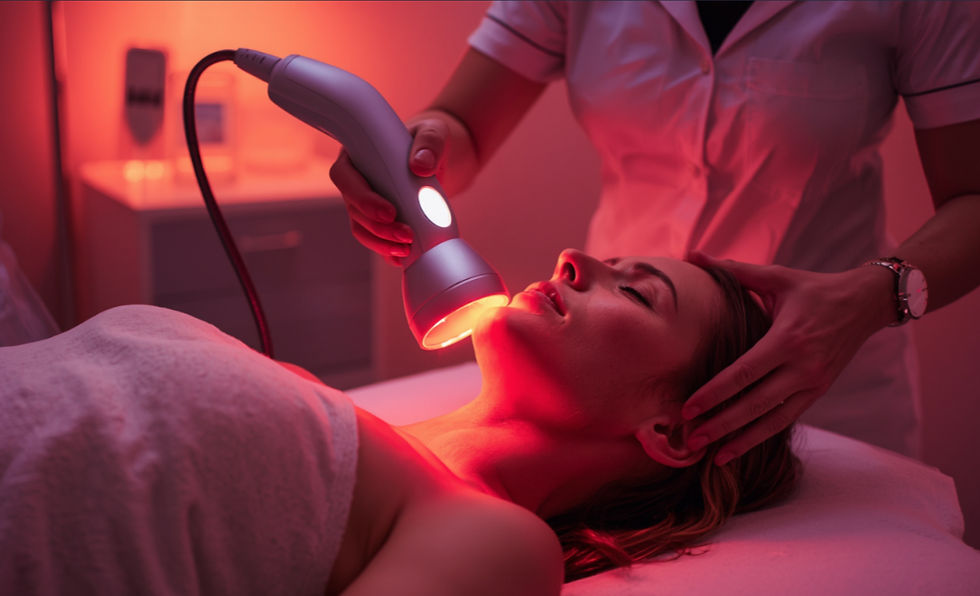
You've tried rest. You've tried ice. Maybe you've done rounds of physical therapy and still feel like your body just isn't getting the memo. What if the missing ingredient wasn't another exercise but..... What about light aka photobiomodulation.
Photobiomodulation therapy, or PBM, is one of the most exciting and research backed tools in modern rehabilitation and regenerative medicine. It uses specific wavelengths of light to communicate directly with your cells, telling them to heal faster, reduce inflammation, and produce more energy. And no, this isn't sci fi, there are hundreds of peer reviewed studies backing it up.
At AVION Physical Therapy in Fort Lauderdale, we're bringing this technology to patients who are done settling for slow recovery and chronic pain. Here's everything you need to know.
What Is Photobiomodulation (PBM) Therapy?
Photobiomodulation, also called low level laser therapy (LLLT), Class 4 laser therapy, or simply "light therapy" is a non invasive treatment that delivers specific wavelengths of light (typically in the red and near infrared spectrum, 630–1000 nm) into your tissues.
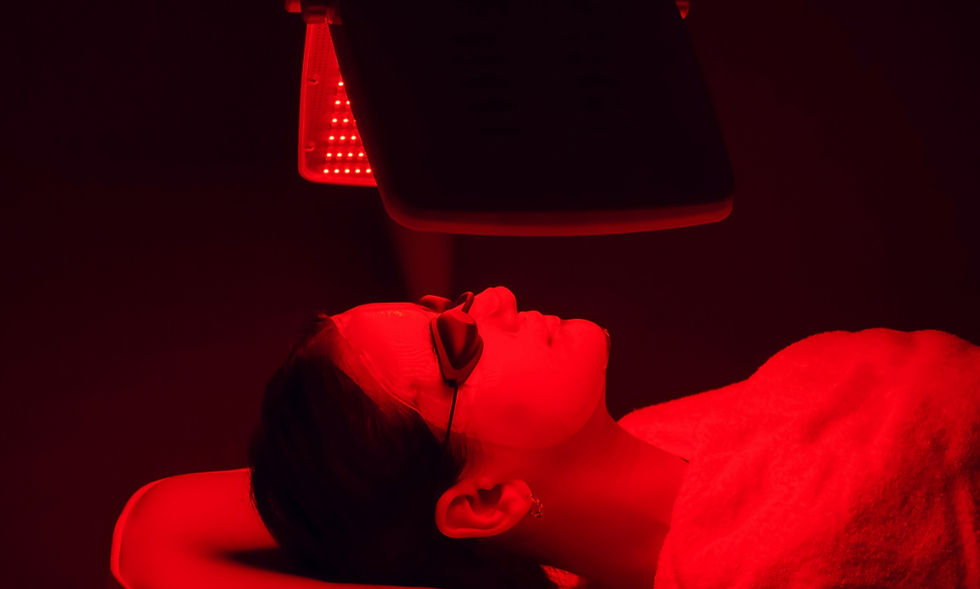
Unlike surgical lasers that cut or burn, PBM light is therapeutic. It penetrates skin, muscle, and connective tissue to interact with the machinery inside your cells. The result? Cells that were sluggish, inflamed, or struggling to heal get a direct boost in energy production and repair activity.
Think of it like jump starting a car battery. Your cells aren't broken, they just need a spark to get going again.
How Does PBM Work? The Science (Made Simple)
To understand why PBM is so effective, we need to talk about something you might remember from high school biology: the mitochondria.
Your Cells Power Plants
Mitochondria are the energy factories inside every cell. They produce a molecule called ATP the universal energy currency of the body that fuels everything: healing tissue, firing muscles, fighting inflammation, making new cells. When you're injured, inflamed, or dealing with chronic pain, your mitochondria often get bogged down and can't produce ATP efficiently. The result is sluggish healing, persistent soreness, and a body that feels stuck.
Here's where it gets interesting.
What Light Does to Your Mitochondria
Inside the mitochondria, there's a critical enzyme called Cytochrome C Oxidase. This enzyme is a key driver of energy production and it's also remarkably sensitive to light. When PBM light hits this enzyme, it triggers a cascade of powerful changes (Pastore et al., 1994; Hamblin, 2017):
ATP production increases: giving your cells the fuel they need to repair
Nitric oxide (NO) is released: a potent vasodilator that improves blood flow and brings more oxygen and nutrients to injured tissue.
Calcium signaling improves: calcium is like the ignition key for dozens of repair enzymes inside your cells
Reactive Oxygen Species (ROS) are balanced: in inflamed tissue, PBM actually reduces harmful free radicals while preserving the healthy signaling ones
Nitric oxide (NO) is interesting. NO inside of the cell is actually a bad thing and a result of inflammation inside of the cell. It can bind to the Copper group of Cytochrome C Oxidase and prevent the electrons from transporting to oxygen to make water. The end result is Reactive Oxygen species. NO outside of the cell is very good, it delivers nutrients that we need to the cell.
At a slightly deeper level, this all flows into what scientists call the ERK/MAPK and AKT signaling pathways: essentially the master control switches for cell growth, repair, and survival. When PBM activates these pathways, it turns on transcription factors called AP-1 and NF-kB, which go into your cell's DNA and flip the switch on genes responsible for:
Cell proliferation (making new, healthy cells)
Cell migration (moving repair cells to where they're needed)
Cell differentiation (turning stem cells into the specific tissue you need)
Angiogenesis (building new blood vessels to support healing)
In plain terms: PBM tells your body's repair crew exactly where to go and what to build faster and more efficiently than it would on its own.
What Conditions Can PBM Help?
Because PBM works at the cellular level, its applications are remarkably broad. Here's where the clinical evidence is strongest:
Tendon Injuries & Tendinopathy
Tendons notoriously heal slowly because of their poor blood supply. PBM directly addresses this by stimulating angiogenesis (new blood vessel growth), increasing the production of collagen synthesizing cells called tenocytes, and upregulating growth factors like TGF-β and IGF-1 that are critical for tendon repair. Research shows significant improvements in pain and function for conditions like Achilles tendinopathy, rotator cuff issues, and lateral epicondylitis (tennis elbow) and plantar fasciitis.
Muscle Recovery & Sports Performance
If you push your body hard, whether you're a competitive athlete or just someone who trains consistently, PBM can significantly reduce soreness and accelerate recovery. Studies in elite cyclists and soccer players have demonstrated increased ATP synthesis, faster phosphocreatine resynthesis (how your muscles reload energy between efforts), and lower markers of muscle damage after intense training (Lanferdini et al., 2018; De Oliveira et al., 2017). One landmark review found a 15% enhancement in myogenesis, the process of building new muscle tissue with PBM treatment (Liu et al., 2025).
Joint Pain & Osteoarthritis
For patients dealing with knee osteoarthritis or other joint conditions, PBM has shown meaningful benefits: reduced synovial inflammation, chondroprotective effects (protecting the cartilage you have), and improved pain and function. High intensity laser therapy (HILT) in particular has shown it may be more effective than other physical therapy modalities for knee pain (Wu et al., 2022; Zhang & Ji, 2023).
Bone Healing & Stress Fractures
PBM accelerates every phase of bone healing, from the initial inflammatory response through angiogenesis, new bone formation, and final remodeling. Research has shown significantly higher bone mineral density following HILT treatment (Thabet et al., 2011). For stress fractures specifically, PBM is a powerful tool to get athletes back on their feet faster.
Nerve Pain & Neuropathy
PBM has a meaningful effect on the nervous system as well. It supports the repair of myelin sheaths (the protective insulation around nerves), activates Schwann cells responsible for nerve regeneration, and increases levels of BDNF/TrkB: neurotransmitters critical for nerve health and signal conduction (Matsuda et al., 2020). For patients with carpal tunnel syndrome, peripheral neuropathy, or nerve damage from injury, this makes PBM a genuinely exciting option.
Chronic Pain & Inflammation
For those dealing with long standing pain conditions, PBM helps recalibrate the system. By increasing nitric oxide production and supporting anti-inflammatory pathways, it progressively shifts the cellular environment from one of chronic inflammation to one of active repair.
PBM + Regenerative Medicine: A Supercharged Combination
One of the most exciting frontiers in modern rehabilitation is combining PBM with orthobiologic treatments like Platelet Rich Plasma (PRP) and stem cell therapies. At AVION, this is central to how we approach complex or slow-healing cases.
PBM Supercharges PRP
When PBM light is applied to PRP, it dramatically amplifies the treatment. Research by Irmak & Gümüşderelioglu (2022) showed that PBM increased ATP secretion and calcium release from platelets, extended platelet lamellipodia (the structures that drive healing activity), and resulted in a more organized fibrin architecture — essentially creating a better-structured healing scaffold that supports sustained cellular repair.
In a landmark study by Ozaki et al. (2016), combining PBM with PRP on injured muscle tissue produced superior regeneration, reduced injury area, and greater blood vessel presence compared to either treatment alone.
The short version: PBM keeps the PRP party going — extending and amplifying its regenerative effect long after the injection.
PBM and Stem Cells
Stem cells need the right instructions to differentiate into the tissue you need. PBM provides those instructions. By modulating mitochondrial activity and the cellular cascades described above, PBM drives stem cell proliferation, migration, differentiation, and viability — whether the cells are mesenchymal stem cells (for bone, cartilage, tendon, and muscle) or other progenitor cell types.
Research by Chang et al. (2020) and Pinto et al. (2021) confirmed that PBM enhances the regenerative capacity of mesenchymal stem cells across multiple tissue types. For patients who have received stem cell procedures, a recent review specifically recommended PBM as a follow-up treatment to maximize outcomes (Kou et al., 2024).
What to Expect at AVION: Red light Therapy in Fort Lauderdale
At AVION Physical Therapy, PBM is delivered using a FDA-cleared Celluma Infrared light panel. Here's what a typical session looks like:
Treatment time: 10-20 minutes, depending on the condition and tissue depth being targeted.
Sensation: Most patients describe a gentle warmth. It is non invasive and painless.
Frequency: Treatment protocols vary by condition. Acute injuries may respond quickly, while chronic conditions typically require a series of sessions to achieve lasting change.
Who it's for: PBM is appropriate for a wide range of patients, from competitive athletes managing overuse injuries, to post-surgical patients accelerating recovery, to anyone dealing with chronic pain or inflammation that hasn't fully responded to traditional care.
Important note: Because PBM actively drives cellular activity, there are a few contraindications to be aware of, including active malignancies, pregnancy (over the abdomen), recent tattoos, and certain medications that increase photosensitivity. Your AVION clinician will review these with you before your first session.
Frequently Asked Questions
Is PBM the same as a tanning bed or infrared sauna? No. PBM uses precise therapeutic wavelengths at specific doses calibrated for cellular interaction. It's very different from broad-spectrum heat or UV light exposure.
How soon will I feel results? Some patients notice improvement after the first session, particularly for acute pain. For deeper tissue healing, tendons, bone, nerves, meaningful changes typically emerge after 3–6 sessions as the cellular repair process builds.
Can I combine PBM with my other treatments? Yes, and it's often ideal to do so. PBM pairs exceptionally well with shockwave therapy, dry needling, PRP, and exercise based rehabilitation. At AVION, we build multimodal treatment plans that stack these modalities strategically for maximum benefit.
Is it covered by insurance? Coverage varies. Our team can discuss options with you during your consultation.
Is there scientific evidence for PBM? Extensive peer reviewed research supports PBM therapy across dozens of conditions. The studies referenced throughout this post represent just a fraction of the growing literature. PBM therapy is used by professional sports teams, military rehabilitation programs, and leading academic medical centers around the world.
Ready to See What Light Can Do For Your Recovery?
Whether you're dealing with a stubborn injury, recovering from a procedure, or looking to elevate your performance and recovery as an athlete, photobiomodulation therapy at AVION Physical Therapy in Fort Lauderdale could be the missing piece.
Our team specializes in combining PBM with cutting edge regenerative rehabilitation to get you back to doing what you love, faster and more completely than traditional care alone.
👉 Book a Free Discovery Call to talk through your situation with one of our clinicians.👉 Schedule Your Appointment Online and take the first step toward real, lasting recovery.
AVION Sports Rehab
| Fort Lauderdale, FL | 954-902-5150
References
Chang S-Y, Carpena NT, Kang BJ, Lee MY. Effects of Photobiomodulation on Stem Cells Important for Regenerative Medicine. 2020.
De Oliveira AR, et al. High level soccer players performance study. 2017.
Hamblin MR. Mechanisms and applications of the anti-inflammatory effects of photobiomodulation. AIMS Biophys. 2017;4(3):337–361.
Irmak G, Gümüşderelioglu M. Photobiomodulation combined with PRP enhances bone regeneration. Lasers Med Sci. 2022.
Kitchen LC, Berman M, Halper J, Chazot P. Rationale for 1068 nm Photobiomodulation Therapy. Int J Mol Sci. 2022;23:5221.
Kou D, et al. The application of extracorporeal shock wave therapy on stem cells therapy. Stem Cell Res Ther. 2024;15:271.
Lanferdini FJ, et al. Improvement of Performance and Reduction of Fatigue With Low-Level Laser Therapy in Competitive Cyclists. Int J Sports Physiol Perform. 2018;13(1):14–22.
Liu H, Cheema U, Player DJ. Photobiomodulation therapy in skeletal muscle regeneration: A comprehensive review. Photodiagnosis Photodyn Ther. 2025.
Matsuda M, et al. Significant improvement in re-myelination via PBM. 2020.
Ozaki GAT, et al. Analysis of photobiomodulation associated or not with platelet-rich plasma on repair of muscle tissue. Lasers Med Sci. 2016;31:1891–1898.
Pastore D, Greco M, Passarella S. Specific helium-neon laser sensitivity of the purified cytochrome c oxidase. Int J Radiat Biol. 2000;76(6):863–870.
Pinto H, Goñi Oliver P, Sánchez-Vizcaíno Mengual E. The Effect of Photobiomodulation on Human Mesenchymal Cells. Aesth Plast Surg. 2021;45:1826–1842.
Thabet AM, et al. Bone density significantly higher following HILT. 2011.
Wu et al. HILT for knee osteoarthritis outcomes. 2022.
Zhang Y, Ji Q. Current advances of photobiomodulation therapy in treating knee osteoarthritis. Front Cell Dev Biol. 2023;11:1286025.


Comments